

Created by: Sarah Ann George & Rohit Gogi
Introduction
At a tough school like Georgia Tech, getting a bad exam grade (especially when it’s your first time!) can feel like everything just crashed down onto you. If you are coming in from high school or transferring from another university, seeing a low grade on Canvas may make you start doubting yourself or even experience “imposter syndrome”. After years of academic success, one awful grade can make everything feel like it is falling apart.
However, one exam does not define you or your semester. The most important thing is not really the grade itself, but knowing how to respond. Oftentimes, students begin to panic or promise themselves that if they just study harder for the next exam, they’ll succeed, but they completely ignore changing their strategy. By reacting emotionally, it can lead to the same errors that had occurred before.
In Georgia Tech, you have many academic resources available for your choosing: office hours, PLUS sessions, tutoring services, etc. The main issue with this is that these resources are spread out, and you might feel confused on how to use them properly to make your academic comeback. This article will show you exactly how to understand where you might have gone wrong, what you need to do to make a comeback, and how you need to do it by using the right GT resources to improve. Let’s not let one exam define who we are and what our semester looks like. Let’s strive to all have an amazing semester and bounce back stronger than before.
Table of Contents
Step-by-Step
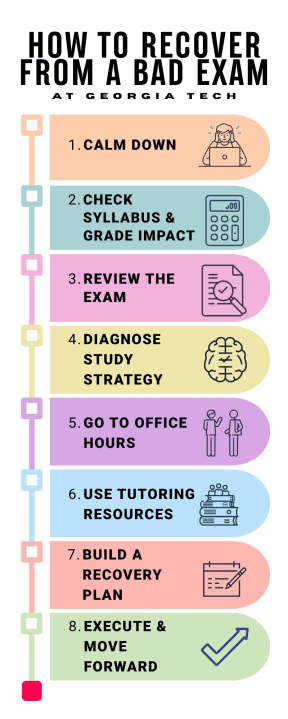
Step 1: Take a deep breath
Let’s pause for a second and just breathe.
After seeing a disappointing grade, it’s important to pause before assuming the worst. Many students immediately jump to conclusions about failing the class or ruining their GPA.
One exam rarely determines your final grade. Taking time to calm down allows you to make logical decisions instead of emotional ones.
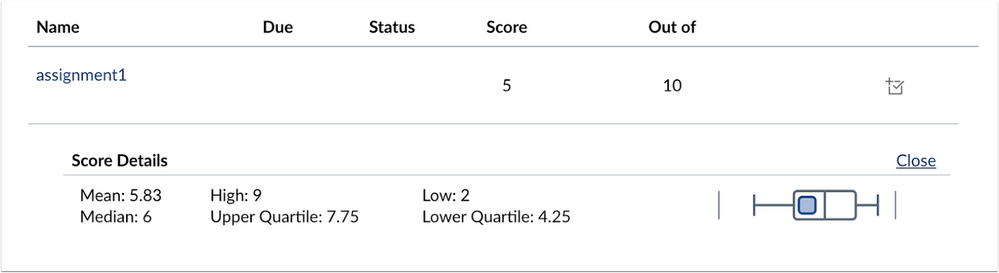
Step 2: Check your syllabus & calculate the impact
After calming down, open your syllabus and identify the following:
- The course’s grading schema
- The weight of the exam
- Your current course average
- Remaining graded assignments/exams
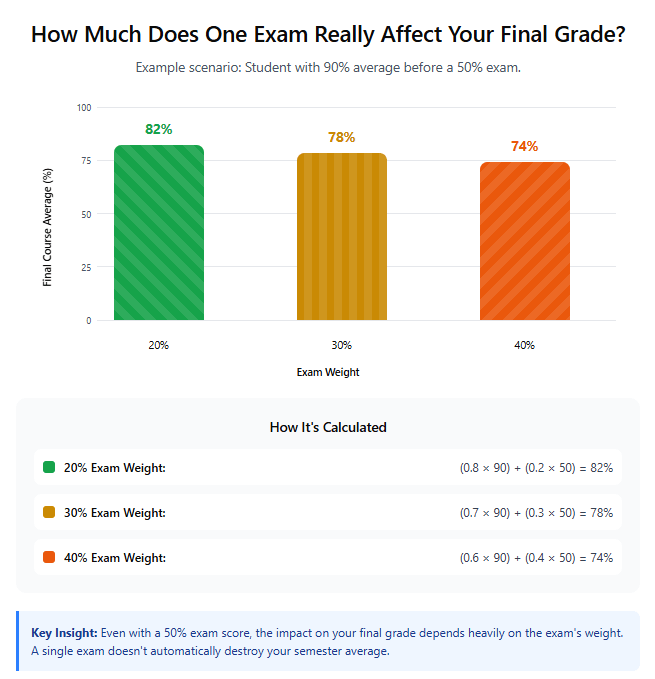
While some exams do have a larger impact, there may still be other things that can help change your grade in the class. It’s best to calculate both the best and worst case outcomes. An exam might only be worth 15-20%, meaning recovery is realistic.
Step 3: Identify what went wrong
Review your exam carefully. If it isn’t posted online, go to office hours to request feedback.
Ask yourself:
- Did I misunderstand core concepts?
- Did I run out of time?
- Did I rely on memorization instead of application?
- Did I make careless mistakes?
By identifying what the root cause was, it will allow you to fix the problem and give you an idea on what you need to do in the future.
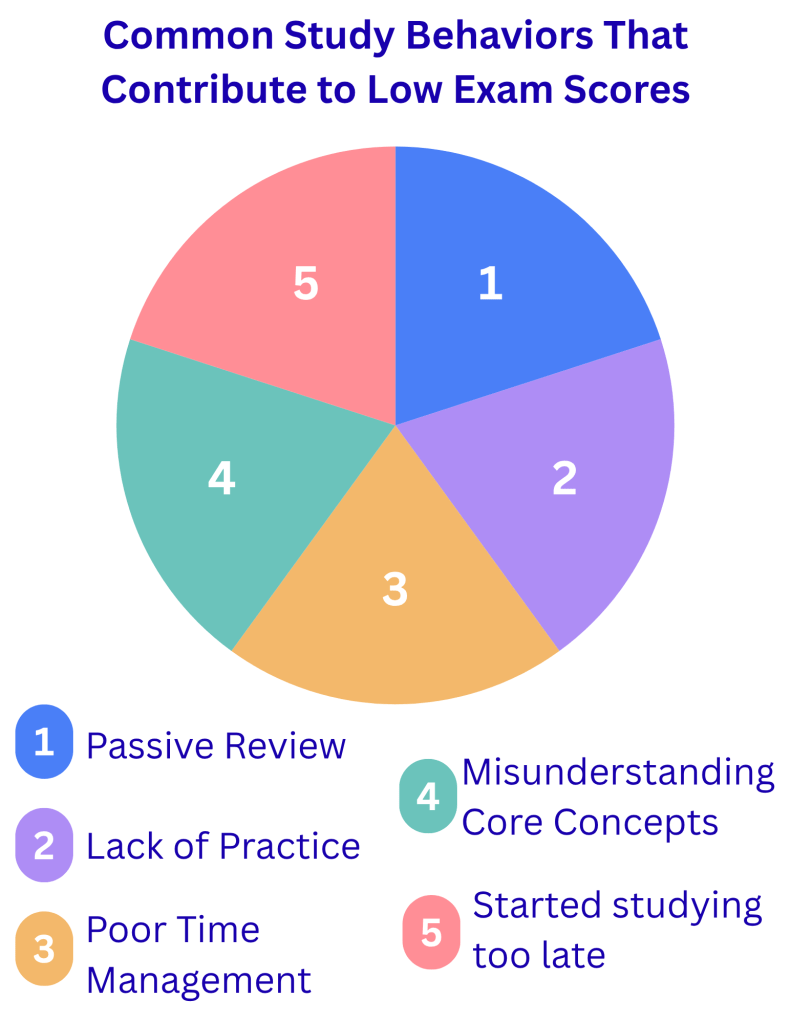
Step 4: Figure out what your current study plan lacks
A bad exam score does not mean you’re not smart. Instead, it might mean that your preparation method was not as in-depth as you thought.
Consider whether you:
- Relied too much on reading notes
- Started studying late
- Avoided practicing/doing practice problems
- Studied passively instead of using methods like active recall
- Spent too much time on studying one thing (poor time management)
Be honest with yourself so you can make necessary changes.
Step 5: Meet with the professor or TA
Bring specific questions from your exam to office hours.
Ask things like:
- What pattern should I have recognized here?
- What would a strong answer look like?
- What study method might work better for this course/exam?
- What should I do when approaching a problem like this?
Step 6: Outside of class resources
Georgia Tech is a great school because you have more than just the resources in class at your disposal.
Beyond office hours, GT offers:
- PLUS Sessions
- One-on-One Tutoring
- Study Groups (reach out to people in your class or in other sections)
- Academic Coaching
Having more structured practice will help improve information retention and make you feel more prepared for your exams. (You can learn more at PLUS Sessions at GT and GT Tutoring.)


Step 7: Make a recovery plan
Now that you have gotten help and figured out what you might have done wrong, it’s time to actually make the changes.
Build a plan that includes:
- Weekly content review (after lecture): Review material within 24 hours to reinforce understanding.
- Active recall practice: Test yourself without notes to strengthen memory.
- Spaced repetition: Review content over multiple days instead of cramming.
- Timed practice problems: Practice under time limits to build speed and accuracy.
By finding ways to effectively learn and study content, you won’t feel like you’re left cramming right before an exam and just passively learning content. For more effective study strategies, check out this guide on Studying 101: Study Smarter Not Harder.
Step 8: Execute
In order to improve, you’ll have to be structured and consistent. But, now that you have a plan, you can get it done.
Safety Net Resources
Listen, we’ve all been there. The class is too overwhelming, your schedule is overloaded, or maybe your grade projections might not be where you want them to be. If that’s the case, it’s important to evaluate other options:
- Withdrawing from Class: GT has withdrawal deadlines for a reason. A W on your transcript is not the end of the world, and you can withdraw from a class up until the specified deadline in the academic calendar. Then, you can retake the class another semester.
- Grade Substitution Policies: This policy allows you to replace up to 2 final grades in a course or take a class up to 2 times (whichever comes first), provided you meet the specified conditions outlined on Georgia Tech’s Grades/Averages Catalog (scroll to C).
If you feel unsure about any of these, talking to an adviser or even a friend who might have been through this process before can help. And, if the stress becomes too overwhelming, don’t be afraid to reach out for more than just academic help. Check out: Mental Health Resources at GT
Conclusion
It’s okay if you feel stressed out about your grades at Georgia Tech, but remember, it’s not the end of the world. One exam does not define you, your semester, or even your career. Figuring out a strategic way to address it will help you go far. And don’t forget, you can always ask for help. There is no shame in asking for it!


Leave a Reply