

by: Jerry Wang, Brandon Ye, and Daniel Yu
Table of Contents
- Table of Contents
- Step 1: Set a Weekly Food Budget
- Step 2: Identify Affordable Grocery Stores Near Georgia Tech
- Step 3: Plan Simple and Nutritious Meals for the Week
- Step 4: Create a Focused Grocery List
- Step 5: Shop Strategically to Save Money
- Step 6: Prepare Meals in Advance
- Step 7: Store Food Properly and Reduce Waste
Life as a Georgia Tech student is notoriously rigorous. Between late-night study sessions at the CULC, challenging group projects, and demanding career prep, finding the time—and energy—to eat well often falls to the bottom of the priority list. With grocery prices constantly rising, it is incredibly common for students to resort to expensive dining hall meal plans, ultra-processed prepackaged foods, or the quick fix of fast food.
However, this convenience comes at a high cost. Financial stress and a lack of access to affordable, nutritious meals directly impact your physical health, cognitive function, and overall academic wellbeing. Furthermore, relying heavily on fast food and single-use prepackaged items creates a significant environmental footprint.
You don’t have to choose between your GPA, your wallet, and your health. This guide is designed specifically for Georgia Tech students—whether you are living in a dorm on West Campus or in an apartment off-campus. By following these seven actionable steps, you can master the art of finding affordable groceries, planning sustainable meals, reducing food waste, and ultimately saving both time and money.
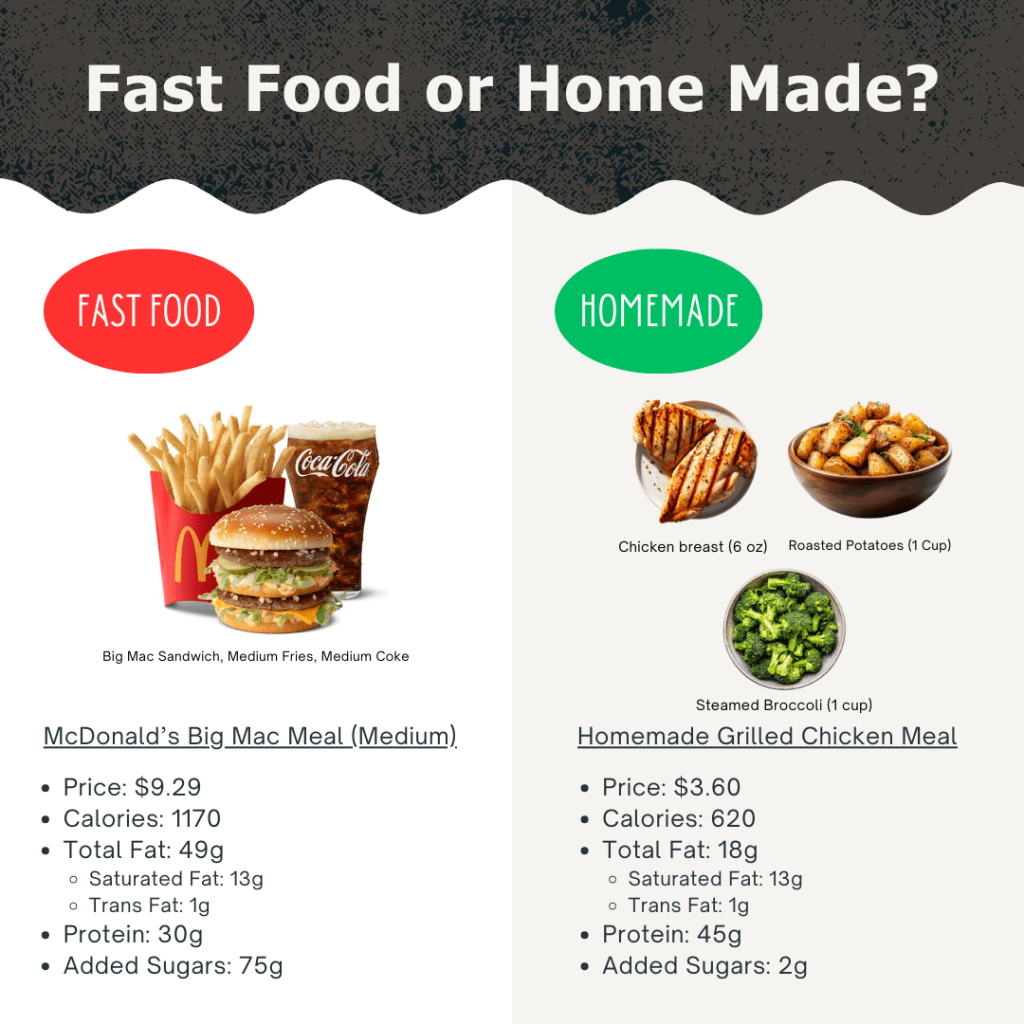
Figure 1: Comparison of a McDonald’s Big Mac meal and a homemade grilled chicken meal, highlighting differences in price, calories, fat, protein, and sugar content. The fast food option is more expensive and contains significantly higher fat and added sugars, while the homemade meal is lower in cost and more nutritionally balanced. Source: Mcdonalds Menu
Step 1: Set a Weekly Food Budget
To begin, setting a weekly food budget is the first step you should take regarding managing your food expenses. It is impossible to save money if you don’t know how much you’re currently spending. Start by reviewing your bank or credit card statements from the last month to calculate your average weekly food expenditure, making sure to combine both grocery store runs and eating out.
Once you have your baseline, determine a realistic weekly limit that fits within your overall financial situation. Break this budget down into categories: a larger portion for essential groceries and a smaller, strict allowance for eating out or grabbing a coffee on the way to class. Use budgeting apps or a simple spreadsheet to track every purchase. Treating your food budget with the same discipline as a course syllabus will curb spending and give you a sense of financial control.
Step 2: Identify Affordable Grocery Stores Near Georgia Tech
Location and accessibility are major hurdles for students without cars, but identifying the right grocery stores near campus can drastically cut costs. While the Midtown Publix is incredibly convenient and a quick walk from Tech Square, relying on it for all your groceries can stretch a student budget if you aren’t shopping during sales.
Broaden your horizons by exploring more budget-friendly options. Costco offers fantastic prices on staples, fresh produce, and sustainable items. While they might require a short MARTA ride or coordinating a carpool with roommates or friends, the savings are well worth the trip.
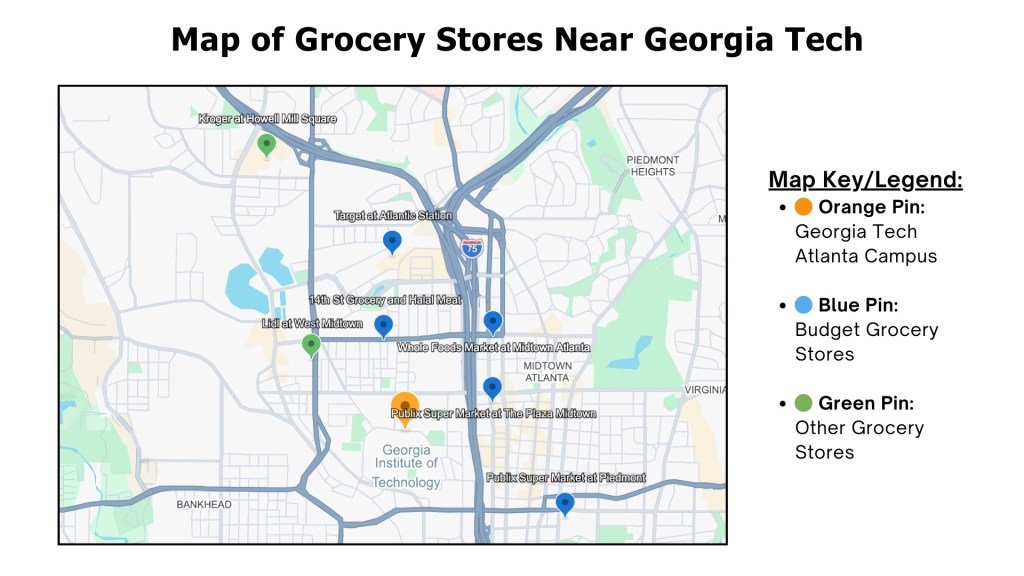
Figure 2: Several grocery stores, including budget-friendly options, are located near Georgia Tech. Source: Google Earth
Step 3: Plan Simple and Nutritious Meals for the Week
Once you know your budget and where you are shopping, the next phase is meal planning. Follow simple recipes to prepare and store nutritious meals rather than trying to cook gourmet dishes every night. The goal is sustainability and realistic execution.
Sit down for fifteen minutes before you shop and outline your meals for the upcoming week. Focus on balancing your macronutrients: complex carbohydrates for sustained energy (like brown rice or sweet potatoes), lean proteins for muscle repair and focus (beans, lentils, tofu, or chicken), and healthy fats (olive oil, avocados, or nuts). Keep your recipes straightforward.
Think stir-fries, sheet-pan dinners, or Chipotle-style bowls. By rotating a few reliable, easy-to-cook meals, you remove the daily decision fatigue of figuring out what to eat, making you far less likely to order expensive delivery when you are exhausted after a lab or class.
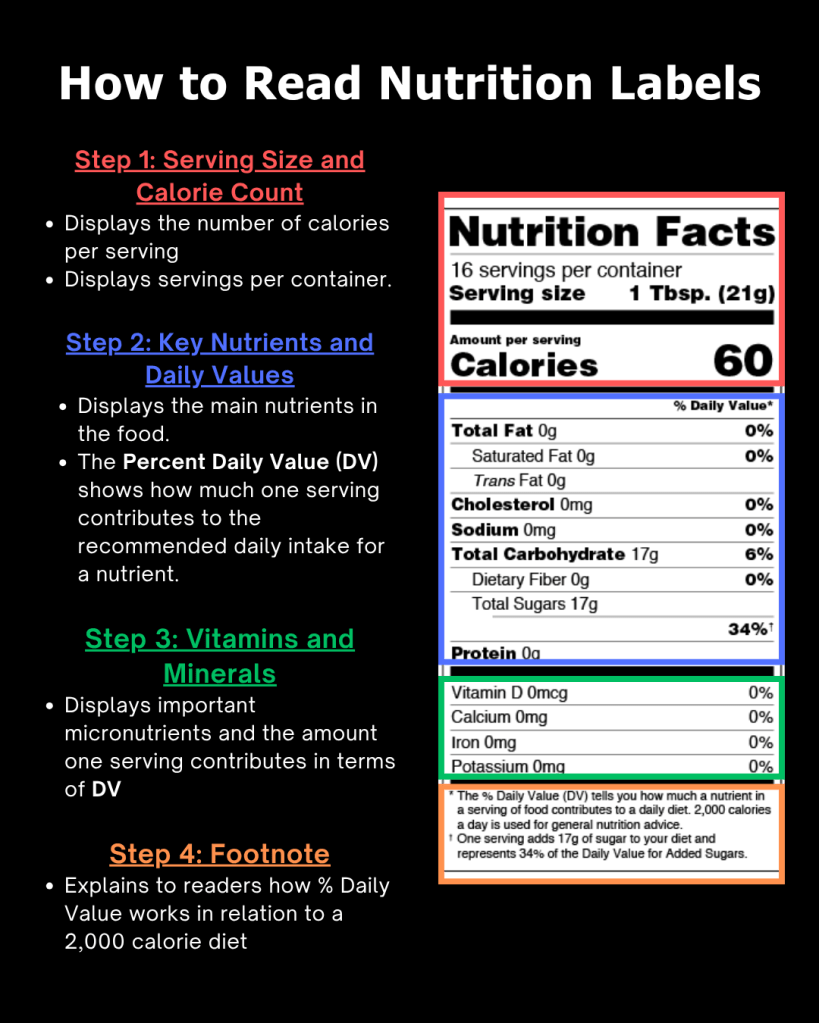
Figure 3: Reading nutrition labels helps shoppers understand what nutrients, additives, and ingredients are in their groceries. Source: FDA Nutrition Facts Label Guide
Step 4: Create a Focused Grocery List
Based on your dietary needs and restrictions, identify key grocery options that are cheap, affordable, sustainable, and nutritious. A meal plan is only as good as the grocery list that supports it. Never go to the grocery store without a list, and more importantly, never go when you are hungry.
Organize your list by store sections (produce, dairy, pantry, proteins) to make your shopping trip efficient and prevent you from wandering down the snack aisles. Focus the bulk of your list on whole foods and versatile staples. Oats, brown rice, dried beans, and frozen vegetables are incredibly cheap, boast a long shelf life, and are packed with nutrition. When considering sustainability, try to incorporate more plant-based proteins, which are generally cheaper and have a lower environmental impact than meat. By sticking strictly to your focused list, you dodge the impulse buys that quickly inflate your grocery bill.
Step 5: Shop Strategically to Save Money
Maximize your grocery budget by taking advantage of deals, buying staple goods in bulk, and swapping brand names or choice cuts for alternatives. Shopping strategically is an essential life skill. When you are at stores like Publix or Kroger, always look for the “Buy One, Get One” (BOGO) deals, but only utilize them for items you will actually eat and have space to store.
Don’t fall for the marketing of name brands; store-brand products (often called private labels) are frequently made in the exact same factories as their expensive counterparts but cost significantly less. If you have roommates, consider pooling your resources to buy pantry staples like rice, pasta, and cooking oil in bulk. Finally, embrace frozen fruits and vegetables. They are flash-frozen at peak ripeness, making them just as nutritious as fresh produce, but they are almost always cheaper and completely eliminate the risk of spoiling before you can eat them.
Step 6: Prepare Meals in Advance
Dedicate a few hours each weekend to batch-cook versatile ingredients like rice, roasted vegetables, and proteins, ensuring you always have a quick, nutritious option ready during a busy week of classes. Meal prepping is the ultimate defense against the temptation of fast food.
You don’t need to portion out exactly fourteen identical Tupperware containers if that bores you. Instead, try “ingredient prepping.” Cook a large batch of quinoa or brown rice, roast a huge tray of seasonal vegetables, and prepare a versatile protein. Store these components separately in the fridge. During the week, you can mix and match these pre-cooked ingredients into different bowls, wraps, or salads in under five minutes. This method drastically cuts down your daily cooking and cleaning time, allowing you to focus on your coursework while still eating healthy, home-cooked food.
Step 7: Store Food Properly and Reduce Waste
Extend the shelf life of your groceries by utilizing airtight storage containers, freezing leftover portions, and organizing your fridge to keep highly perishable items visible so you don’t forget about them. Food waste is effectively throwing your hard-earned money directly into the trash, and it is a massive contributor to greenhouse gas emissions in landfills.
Adopt the “First In, First Out” (FIFO) method in your fridge and pantry, bringing older items to the front so they get used before newer groceries. Invest in clear, airtight glass or BPA-free plastic containers so you can easily see what leftovers you have available. Learn to utilize your freezer to its full potential: bread, leftover soups, overripe bananas (perfect for smoothies or banana bread), and even spinach can be frozen to significantly extend their lifespan. By storing food correctly, you respect your budget, your time, and the environment.
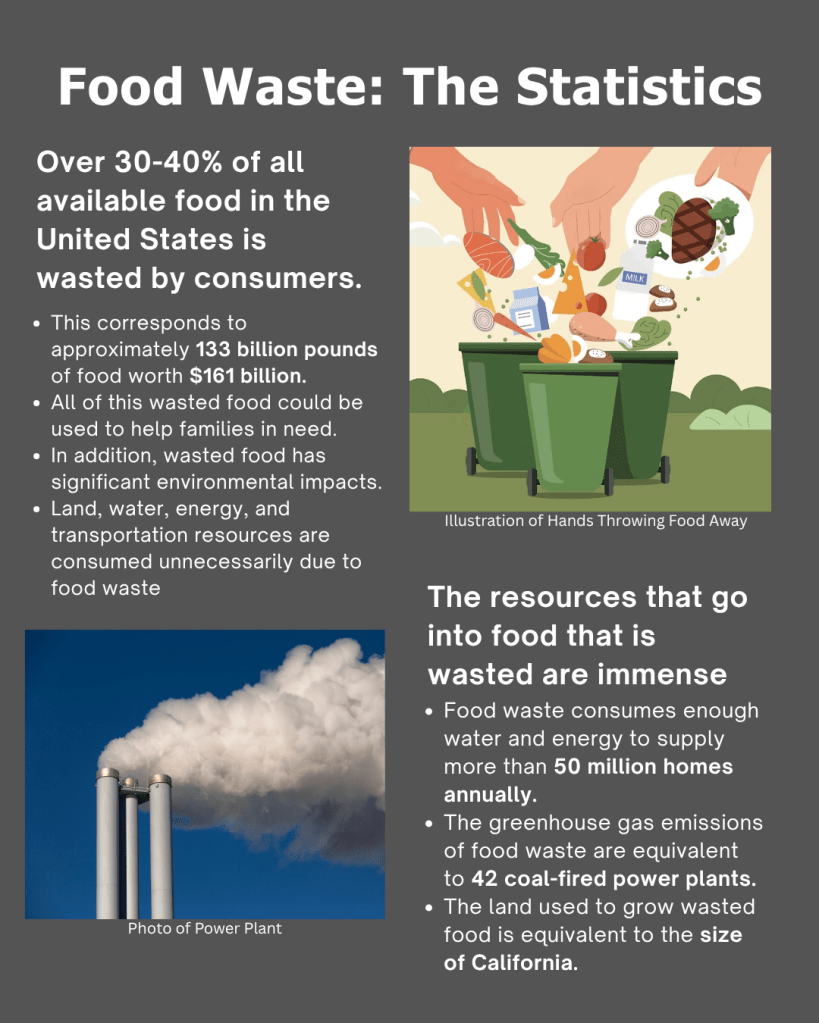
Figure 4: Food waste in the U.S. affects millions of families and significantly impacts the environment. Source: Canva Photos


Leave a Reply