

Practical Strategies for Learning, Contributing, and Building Professional Relationships
Created by: Kevin Calahan Jr. and Kirtan Thakkar
- Introduction
- Step 1: Prepare Before Your First Day
- Step 2: Set Expectations with Your Manager
- Step 3: Take Notes and Stay Organized
- Step 4: Learn the Team and Company Culture
- Step 5: Communicate Effectively
- Step 6: Build Professional Relationships
- Step 7: Document Your Accomplishments
- Step 8: Finish Strong
- Conclusion
- Additional Resources
Introduction
Georgia Tech students spend a significant amount of time learning how to obtain internships, but far less attention is given to succeeding once the internship begins. For example, both of us spent hours attending career fairs and professional development events to prepare for securing an internship; however, neither of us can recall receiving guidance on how to succeed once the job actually started. Similarly, many students begin their first internship confident in their ability to solve technical problems but less prepared to navigate the expectations of a professional workplace. Georgia Tech does an excellent job preparing students for technical rigor, so that aspect is typically not the main difficulty.
Through our internship experiences, we learned a number of lessons that we wish someone had explained before our first day. Most of them were not technical skills. Instead, they centered on adapting to a professional environment and working effectively with other people. We found that improving these habits made a noticeable difference in both our performance and our overall experience.
The habits developed during an internship often remain valuable long after the experience ends. Looking back, many of the lessons that helped us succeed during our internships are the same lessons we continue to use in school, work, and leadership roles today. The following guide outlines eight practical steps that can help students get more value from their internship experience.
Step 1: Prepare Before Your First Day
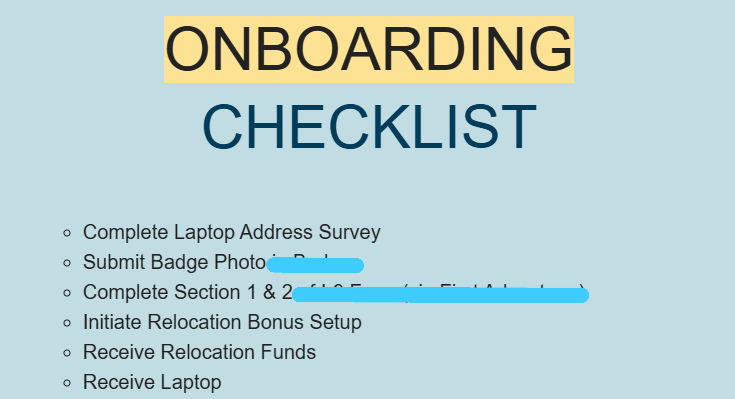
Before your internship begins, take time to review onboarding materials and complete any required tasks. Small tasks such as submitting forms or uploading a badge photo seem minor, but they can become surprisingly stressful if left until the last minute.
As you complete each task, keep a simple checklist of what is finished and what still needs attention. This makes it easier to stay organized before Day 1 and allows you to start the internship with confidence. Students looking for additional internship preparation resources can also explore the Georgia Tech Career Center‘s internship guidance and professional development materials.
Step 2: Set Expectations with Your Manager
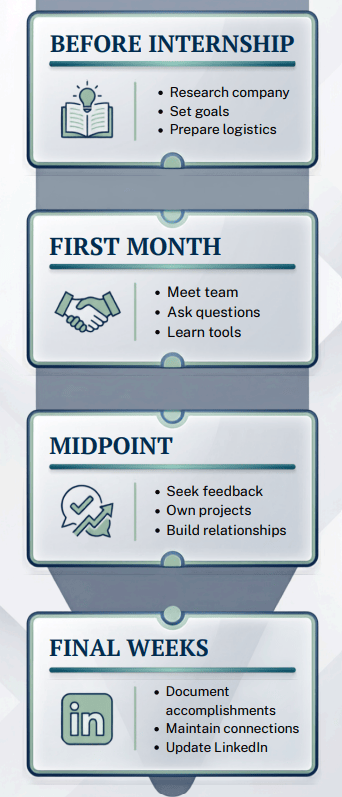
One of the biggest early mistakes we made was assuming we already knew what “doing well” meant.
In one of my first check-ins at Capital One, my manager told me something that stuck with me: success wasn’t about avoiding mistakes entirely, but about taking ownership of them and learning from them.
That conversation changed how I approached the rest of the internship. Getting clarity early from your manager saves you from guessing what matters most.
Step 3: Take Notes and Stay Organized
One of the easiest mistakes to make as an intern is assuming that you will remember everything. During the first few weeks, you are often introduced to new tools, processes, projects, and team members all at once. We quickly realized that relying on memory alone was not realistic. Taking detailed notes during meetings and documenting important information helped us stay organized and reduced the need to repeatedly ask the same questions.
Good notes also make it easier to contribute during discussions and follow through on assignments. Staying organized demonstrates professionalism and allows you to spend more time focusing on your work instead of searching for information you have already received.
Step 4: Learn the Team and Company Culture

Once you have a system for staying organized, start paying attention to how your team operates. During your first few weeks, observe how work gets done and how people interact with one another. We found that many expectations were never formally explained and only became clear through everyday interactions.
As you take notes throughout the internship, keep track of observations that help you better understand the workplace. Understanding your team’s culture will make it easier to work effectively with others and settle into your role more quickly.
Step 5: Communicate Effectively
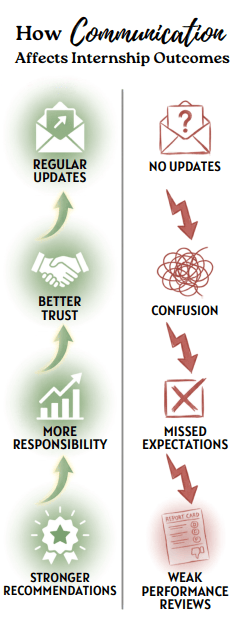
Early on, it’s easy to stay quiet and try to figure everything out on your own. We definitely did this at times, and it usually slowed things down.
If something was taking longer than expected, a quick update to our manager often led to helpful guidance before it became a bigger issue.
Good communication isn’t about sounding polished—it’s about keeping people updated, asking questions early, and being honest when you’re stuck. Once we started doing that more consistently, things moved a lot smoother.
Step 6: Build Professional Relationships
As you become more comfortable in your role, take time to get to know the people around you. Some of the most valuable parts of an internship happen outside of your assigned work. Conversations with coworkers gave us perspectives on career paths and professional growth that we would not have gained from project work alone.
Even short conversations before meetings or during lunch can lead to valuable advice and lasting professional connections.
Building relationships does not require formal networking. Showing genuine interest in other people and learning from their experiences can help you develop connections that remain valuable long after the internship ends.
Step 7: Document Your Accomplishments
It’s surprisingly easy to forget what you worked on during a 10–12 week internship. I’ve only been working for three weeks, but I’ve already found myself scrambling to remember some of the details of my early accomplishments. Keeping a running document has made it much easier to track what I’ve worked on and will be extremely useful when it comes time to update my resume or prepare for future interviews.
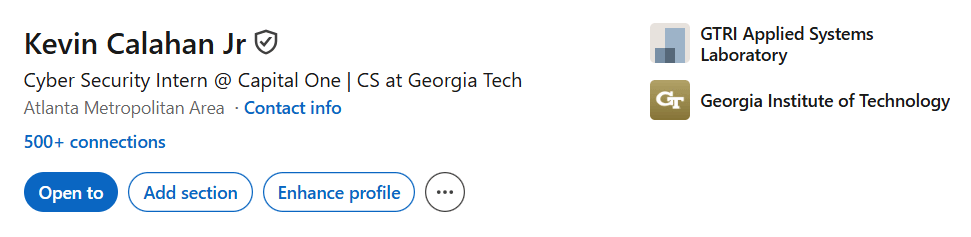
Beyond resume updates, maintaining a record of your work also helps you recognize how much you’ve learned throughout the internship. Looking back at completed projects and challenges can provide a useful reminder of the progress you’ve made since your first day. LinkedIn recommends regularly updating your profile with new experiences, skills, and accomplishments to maintain an accurate professional presence.
Step 8: Finish Strong
As your internship comes to an end, continue putting effort into your work and follow through on any remaining commitments. The impression you leave during your final weeks is often the one people remember most. Completing projects, communicating handoffs, and maintaining a positive attitude can leave a lasting impact on your team.
Before your last day, thank the people who supported your growth and stay connected with them through LinkedIn or other professional networks. A strong finish can turn a short internship into a long-term professional relationship.
Conclusion
A successful internship involves much more than completing technical work. By preparing early, communicating effectively, staying organized, and building professional relationships, students can maximize both their learning and their impact. While every internship experience is different, these habits can help interns make the most of the opportunity, build a strong professional reputation, and position themselves for future opportunities, including a potential full-time offer.
Students looking for additional internship and career resources can also explore Handshake, which provides access to internships, employer events, and career development opportunities.
Additional Resources
If you’re looking to continue preparing for future internships and full-time opportunities, these resources are a great place to start:
Georgia Tech Career Center – Career advising and internship preparation.
Georgia Tech CareerBuzz – Articles and advice on professional development.
Handshake – Internship and full-time job opportunities, employer events, and career fairs.
LinkedIn Career Resources – Tips for strengthening your profile and growing your professional network.


Leave a Reply