
By: Ava Norouzinia and Nisarg Patel
Introduction
Students who are transitioning off of their meal plan for the first time often struggle to balance nutrition, cost, and time when cooking while managing rigorous coursework and other responsibilities. Without a structured system, students default to expensive takeout, inconsistent eating habits or wasteful grocery shopping. We propose a guide which argues that building a sustainable weekly meal plan is necessary for creating an efficient system for nutrition that improves academic performance, reduces financial strain, and minimizes food waste. By walking students through budgeting, macronutrient based meal structuring, strategic grocery shopping options near campus, and batch cooking the guide provides a framework that reduces daily decision making. The result is a practical, sustainable routine that saves money, supports consistent energy levels, and lowers environmental impact. Instead of learning through trial and error, this guide aims to give students an optimized process tailored to independent college living.
Table Of Contents
- Table of Contents
- Set a Weekly Food Budget
- Decide what you want to cook
- Choose simple meals for the week
- Build a grocery list from your meals
- shop smart
- Cook Efficiently
- Store food properly and reduce food waste
- Use campus food resources to supplement
Set a weekly food budget
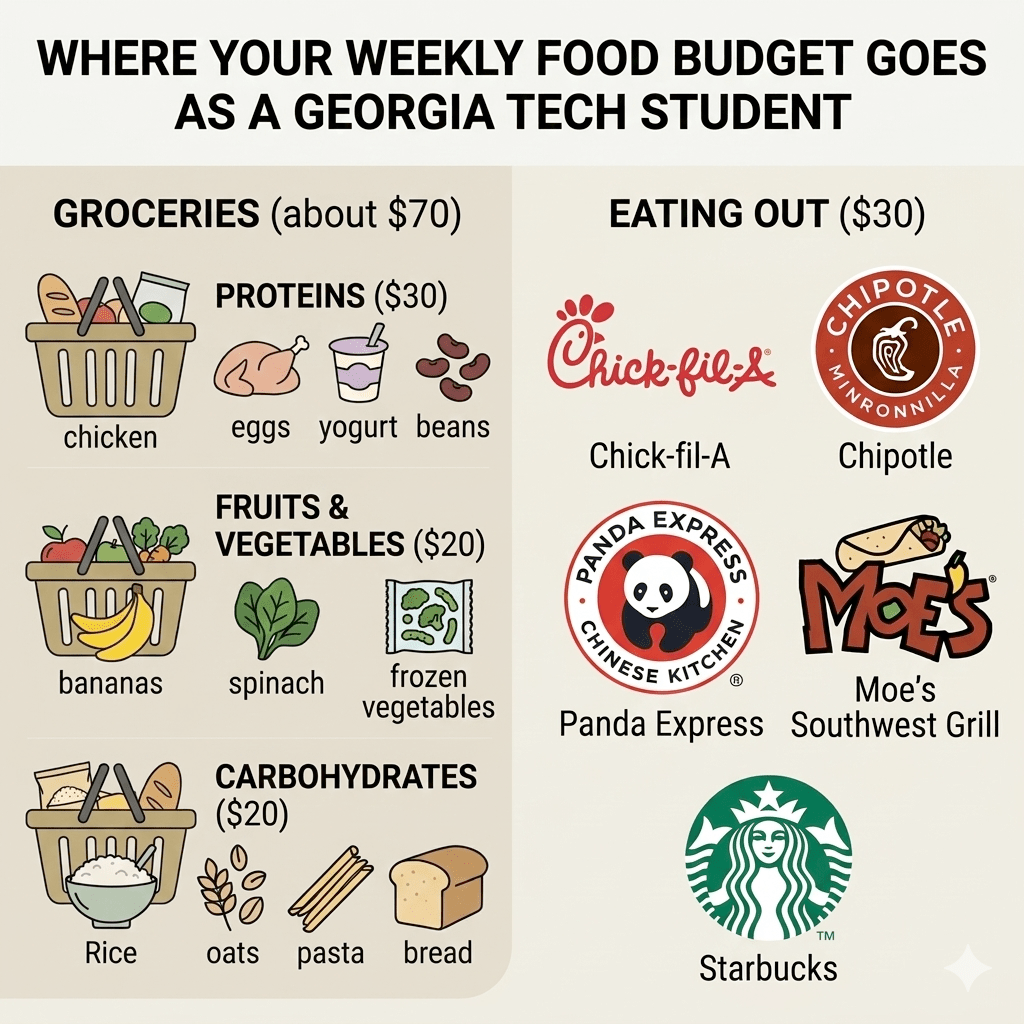
We begin by determining how much money can realistically be spent on food each week. Many students transitioning off the Georgia Tech meal plan underestimate how quickly food purchases accumulate. Frequent takeout meals, coffee runs, and convenience store snacks can easily push weekly spending beyond what is necessary.
Start by estimating a reasonable weekly range for food spending. For many college students, this falls between $60 and $100 per week, depending on how often meals are purchased outside the home. This number should include both groceries and occasional meals from restaurants or campus vendors.
If the current spending pattern is unclear, track all food purchases for one week. Record groceries, snacks, and restaurant meals. This short audit provides a clear baseline and helps identify areas where spending can be reduced.
Establishing a weekly budget also supports more sustainable food consumption. Research shows that approximately 38% of food in the United States goes to waste, often because people purchase more food than they use (Move For Hunger). By setting a defined budget, we are encouraged to plan purchases intentionally and avoid buying ingredients that may spoil before they are used.
Cooking strategy
Image
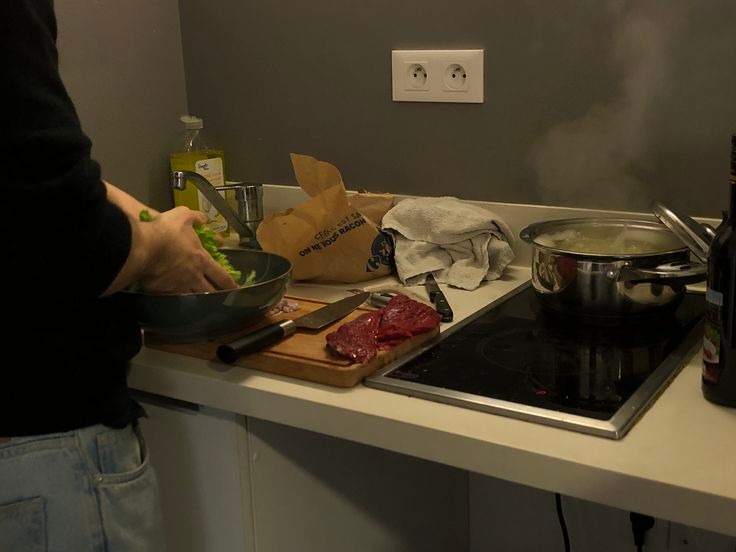
Next, we determine how cooking will fit into a typical academic schedule. Georgia Tech students often balance demanding coursework with extracurricular activities, so cooking systems that require significant daily effort are difficult to maintain consistently.
Two approaches tend to work well for students.
The first approach is meal preparation, where several meals are cooked in advance and stored for later in the week. Preparing grains, vegetables, and proteins in larger quantities allows meals to be reheated quickly during busy weekdays.
However, meal prep containers are not required to maintain a sustainable routine. Another effective strategy is choosing simple recipes that take less than thirty minutes to prepare. Meals such as stir-fries, pasta dishes, omelets, or rice bowls can be prepared quickly using basic ingredients.
Planning cooking methods in advance helps reduce daily decision-making and ensures that cooking remains manageable during a demanding semester.
Choose simple meals for the week
Image
Once a cooking strategy has been selected, we can begin choosing meals for the week. The goal is to identify meals that are affordable, nutritionally balanced, and easy to prepare.
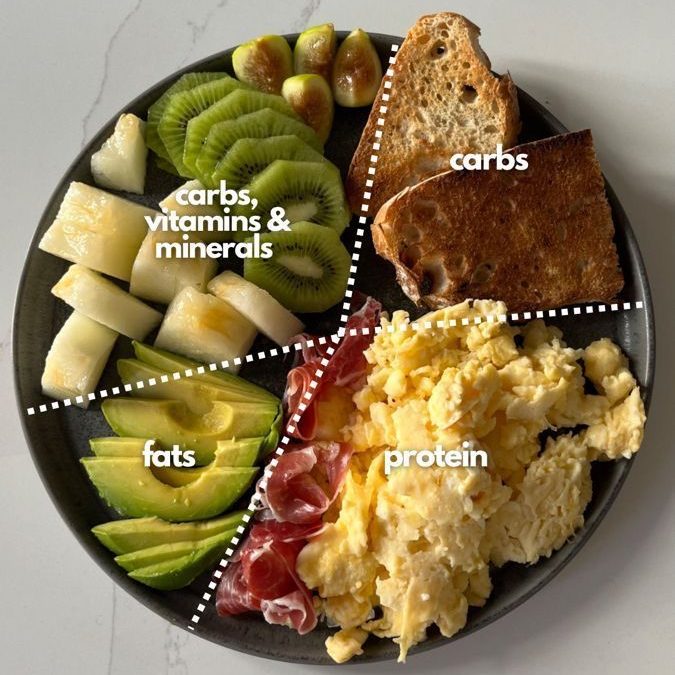
A helpful framework is to structure meals around three components:
- Protein such as eggs, chicken, beans, yogurt, or tofu
- Carbohydrates such as rice, pasta, oats, or potatoes
- Fruits or vegetables for nutritional balance
This structure provides consistent energy and helps maintain focus during long study sessions.
When selecting meals, it is helpful to choose ingredients that can be reused across multiple recipes. For example, chicken can be used in rice bowls, pasta dishes, or wraps. Vegetables like spinach, onions, or bell peppers can appear in several meals during the week. Using versatile ingredients reduces both cost and food waste (Move For Hunger).
Rather than planning completely different meals every day, many students find it easier to choose three or four core meals that can be repeated throughout the week.
Build a grocery list from your meals
Image
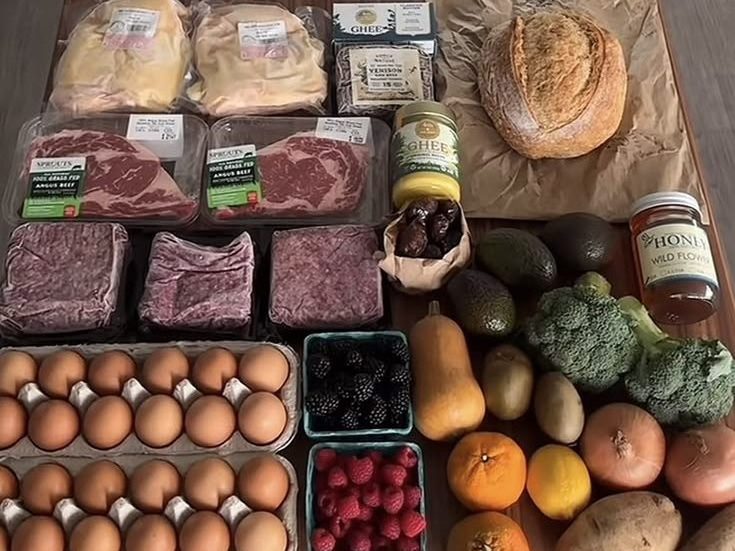
After selecting meals for the week, the next step is translating those meals into a grocery list. Creating a list before shopping helps keep purchases focused and prevents unnecessary spending.
Begin by listing the key ingredients required for each planned meal. Then add any additional items needed for snacks or quick breakfasts. Common student staples include eggs, rice, oats, frozen vegetables, pasta, and potatoes because they are inexpensive and easy to incorporate into many meals.
Before going to the store, it is helpful to check the refrigerator and pantry for ingredients that are already available. Sustainability experts recommend reviewing existing ingredients so that food nearing expiration can be incorporated into upcoming meals (Southern Sustainability Institute).
Organizing the grocery list by category—such as proteins, carbohydrates, vegetables, and snacks—can also make the shopping process faster and more efficient.
Shop smart
Where groceries are purchased can have a significant impact on the weekly food budget. Different stores near Georgia Tech offer different advantages depending on price, convenience, and product selection.
Budget-oriented stores are often the best option for staple foods such as grains, beans, oats, and frozen vegetables. Larger grocery stores may offer more variety but sometimes at higher prices. Shop strategically at affordable stores.
Another strategy is purchasing certain ingredients in bulk when possible. Buying staple foods such as rice, beans, or grains in larger quantities can reduce both cost and packaging waste. Bulk purchasing can also reduce the number of grocery trips needed during the week (Move For Hunger). Shop with a plan and avoid impulsive purchases
Shopping strategically and sticking to the grocery list ensures that purchases align with both the weekly budget and the planned meals.
Here is a map that shows the closest grocery stores near Georgia Tech campus that are the most accessible to students:
Cook efficiently
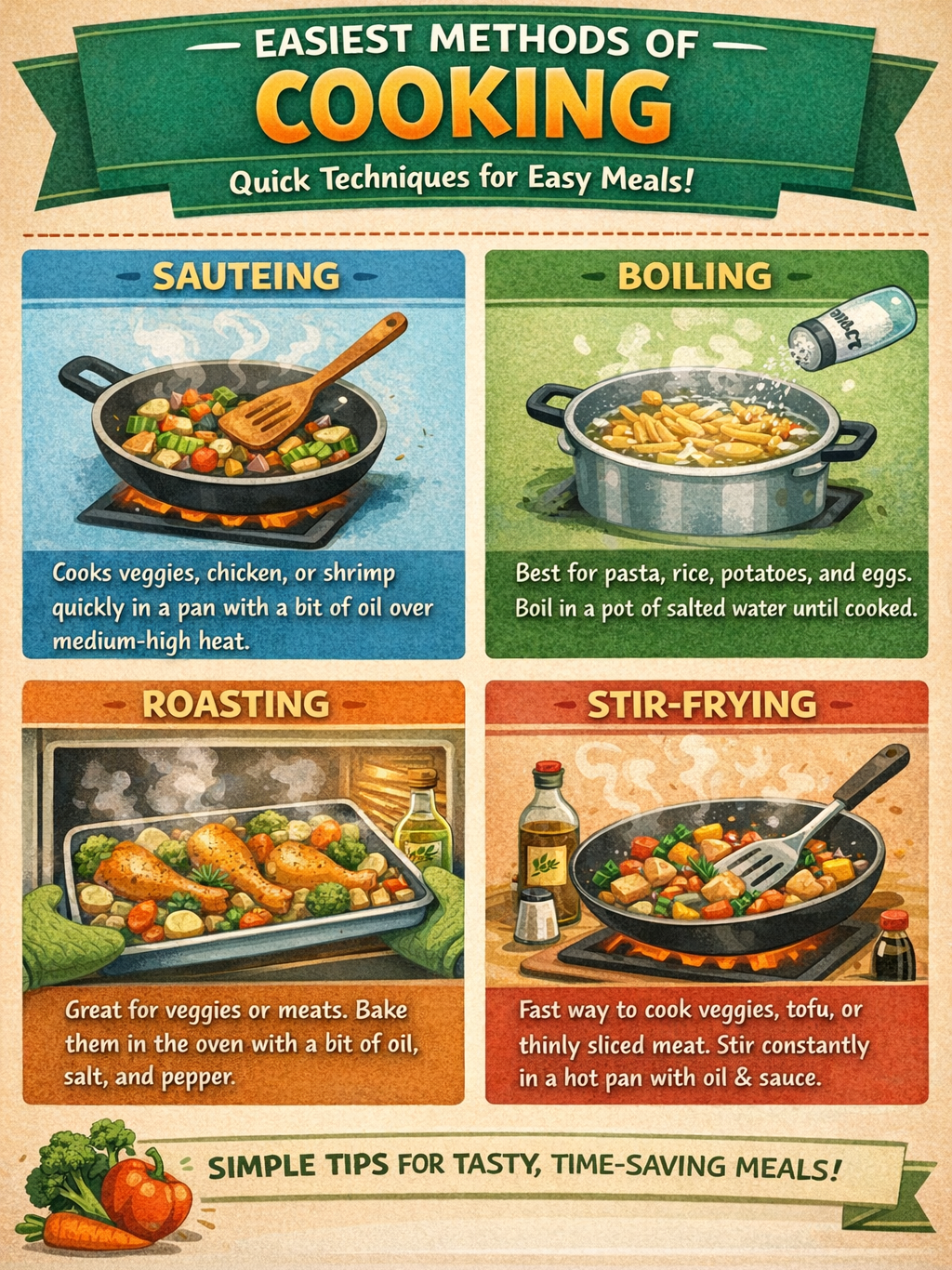
After groceries have been purchased, the next step is preparing meals in a way that fits the weekly schedule. Efficient cooking is essential for maintaining a consistent routine during a busy academic semester.
Students who prefer meal preparation may cook several portions at once and store them for later use. Preparing larger batches of grains, vegetables, or proteins allows meals to be reheated quickly during busy days.
Students who prefer cooking fresh meals can rely on quick recipes that take less than thirty minutes to prepare. Meals such as stir-fries, pasta dishes, rice bowls, and omelets can be prepared quickly using ingredients already purchased earlier in the week.
Regardless of the method chosen, keeping meals simple helps ensure that cooking remains manageable alongside coursework and extracurricular responsibilities.
Store food properly and reduce food waste
Image
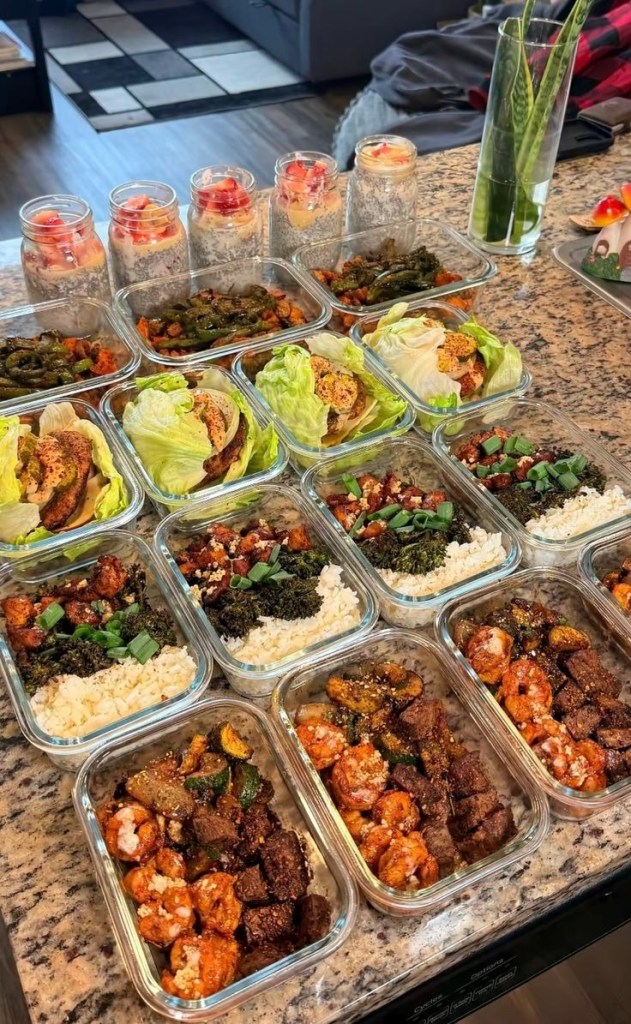
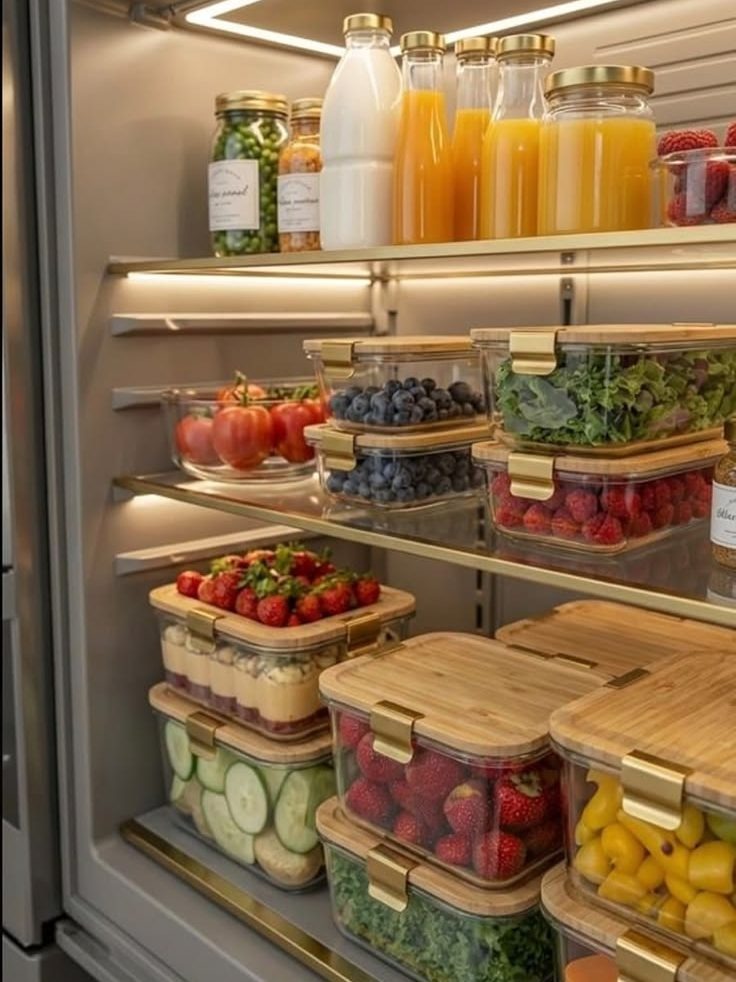
Proper food storage is essential for preventing food waste and ensuring groceries last throughout the week. Many students unintentionally throw away food because ingredients spoil before they are used.
Leftovers should be stored in airtight containers to maintain freshness and make meals easy to reheat. Cooked foods such as grains, vegetables, and proteins can often be refrigerated for several days or frozen for longer storage.
Another effective strategy is repurposing leftovers into new meals. Vegetables from one meal can be incorporated into stir-fries or soups later in the week, while leftover proteins can be used in sandwiches or salads. Reducing food waste has both financial and environmental benefits. Food that ends up in landfills contributes to greenhouse gas emissions and represents wasted resources such as water, land, and energy (Southern Sustainability Institute).
Use campus food resources to supplement
Finally, we can supplement home-cooked meals with food resources available on campus. Georgia Tech offers several options that help students stretch their food budgets.
One example is Klemis Kitchen, Georgia Tech’s campus food pantry, which provides groceries to students who may need additional support. Many student organizations and campus events also provide free food during meetings or social gatherings. There are currently 4 locations on campus:
Klemis Kitchen Bioquad
- below Veterance Resource Center
- available 24/7
- requires Buzzcard access
CULC 489
- Open Mon – Fri, 11 AM – 2 PM
- Buzzcard access to original kitchen gives you access to this as well
Grace House
- Kitchen found near the back deck
- Available 24/7 to entire campus
Student Center
- Graduate Student Lounge on 3rd floor
- Variety of treats and prepared meals can be found in this kitchen!
** Buzzcard access is requires: Get access here
While these resources should not replace regular meal planning entirely, they can help supplement weekly meals and reduce grocery spending during busy weeks.
Combining campus resources with a structured meal planning system allows students to maintain a consistent and sustainable food routine throughout the semester.


Leave a Reply