
A Freshman’s Guide to RHA Event Funding
Authors: Pranav Viswanath and Ryan Pham
Introduction
One of the biggest challenges GT students face when planning events, building startups, or starting clubs is figuring out how to pay for them. Many students don’t realize that organizations like the Residence Hall Association (RHA) offer free funding opportunities designed to support student initiatives. Unfortunately, the processes for requesting and securing these funds can feel overwhelming, leaving many students discouraged or unaware of the resources they are paying for with their tuition.
By breaking down the procedures into clear and approachable steps, our guide will empower students to bring creative, engaging, and inclusive events to the GT community in a stress free way. For freshman CS students in particular, this matters because funding opportunities can make the difference between an idea that stays on paper and one that grows into a real event, hackathon, or project showcase. Learning how to access these resources early will not only save time and frustration but also help students build stronger networks, gain leadership experience, and create meaningful communities around shared interests. Our guide will demystify funding and give every student the tools necessary to turn their ideas into a reality.
Table of Contents
- What is RHA and What Do They Fund?
- Determine If Your Event Qualifies
- Calculate Your Budget
- Complete the Funding Application
- Prepare Your Pitch Presentation
- Submit and Follow Up
- Manage Funds and Complete Post-Event Reporting
Step 1: What is RHA and What Do They Fund?
The Residence Hall Association (RHA) is a student-run organization that represents residents and supports community programming in Georgia Tech housing. Every semester, RHA allocates part of the housing budget toward student events that build connection and engagement in the residence halls. These funds can cover food, decorations, materials, prizes, or small-scale event costs.
If you have ever wanted to host a coding study night, movie watch party, or freshman mixer, RHA funding is designed to help. Typical grants range from $50 to $1,000 depending on the event’s scale and impact. Focus on events that encourage socializing, learning , or wellness since these align well with RHA’s mission to make residence life more enjoyable.
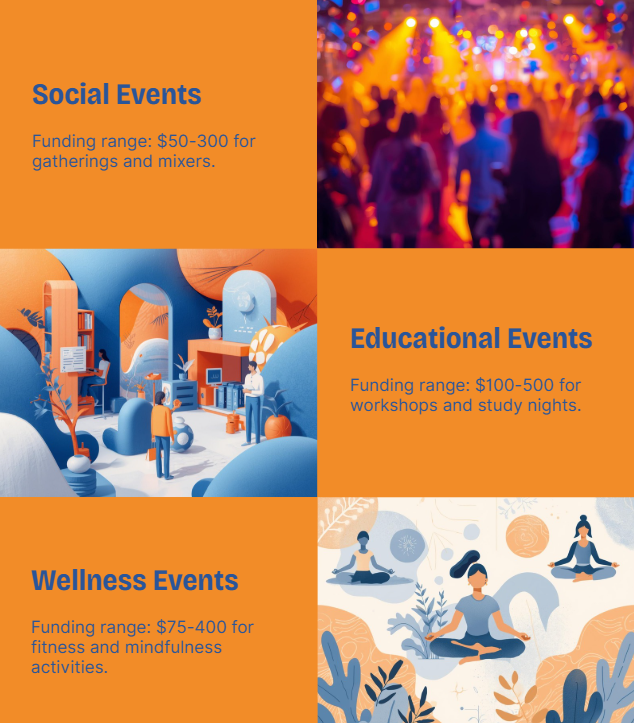
Figure 1: Types of events RHA typically funds and average amounts awarded per category
Step 2: Determine If Your Event Qualifies
Before you start filling out forms, confirm that your event meets RHA’s funding requirements. Your program must:
- Primarily benefit on-campus residents.
- Be non-profit and open to all students in your hall or community.
- Align with RHA’s mission to promote inclusion and involvement.
- Take place on Georgia Tech property.
For example, a “Freshman CS Game Night” open to all dorm residents would likely qualify, while a private club retreat or off-campus competition would not. Use our eligibility flowchart to check your idea before applying.
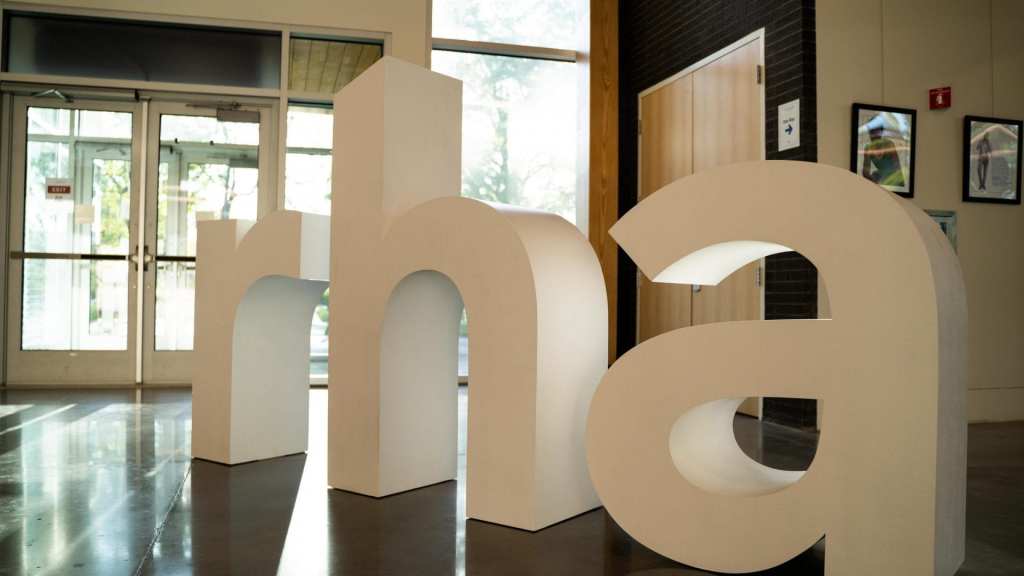
Figure 2: The RHA office, with the 3 letters as pillars representing “Growth”, “Lead”, “Unite”
Step 3 : Calculate Your Budget
A clear and realistic budget strengthens your application. Start by listing every cost such as food, prizes, supplies, marketing materials, and any technology you need. Use quotes or online estimates for accuracy and include a short justification for each line item.
For instance, if you are hosting a “Code-a-Thon” for 50 people, you might request $150 for food, $100 for prizes, $80 for materials, and $70 for marketing supplies. Keep your total reasonable and transparent. RHA values efficiency and shared benefit among students.
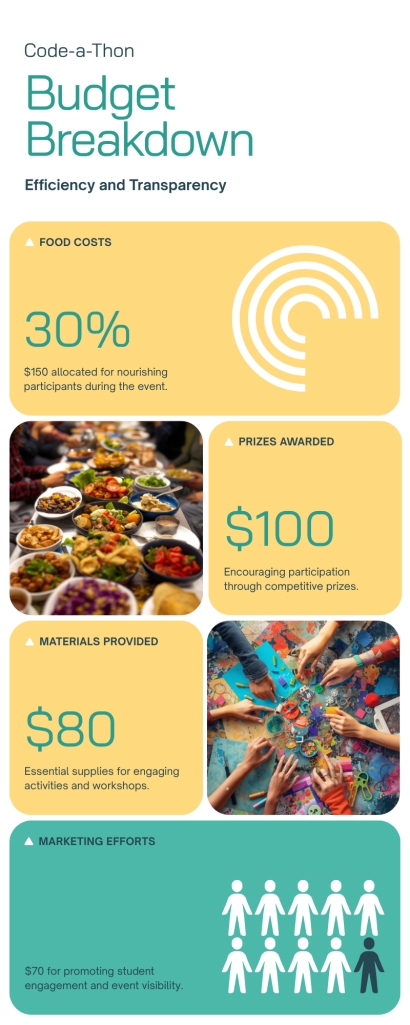
Figure 3: Example budget breakdown for a 50-person coding workshop requesting $400 in RHA funding
Step 4: Complete the Funding Application
Once your event plan and budget are ready, open the RHA Funding Request Form on the RHA website. You will need to provide:
- Event name, date, and location.
- Target audience and estimated attendance.
- Budget upload or itemization.
- Event purpose and expected outcomes.
When writing your event description, emphasize how your program benefits residential students. Mention learning outcomes, inclusivity, or stress relief. Keep language positive and specific. Instead of saying “to bring people together,” write “to help freshmen connect through a shared coding challenge.”
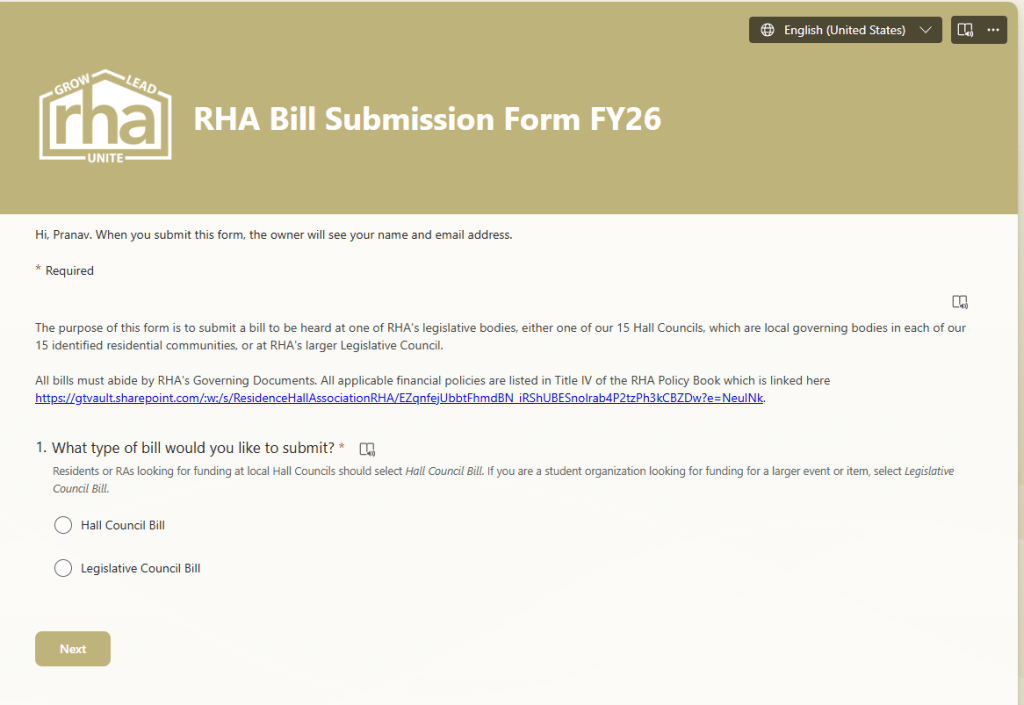
Figure 4: RHA online funding application form
Step 5: Prepare Your Pitch Presentation
Most RHA funding requests include a short presentation before the RHA board. Treat this as a friendly conversation where you explain your idea and its impact.
- Introduce yourself and your group.
- Describe your event purpose and audience.
- Present your budget clearly and justify your costs.
- Highlight how the event strengthens community or learning.
- End confidently and thank the board for their time.
Plan for 5 to 7 minutes total. Bring visuals if possible, such as slides or printed flyers, to help the board visualize your event. Dress neatly and rehearse once with a friend. It is also advised to be ready for possible questions or specifications the board may ask.

Figure 5: Pitch breakdown including event purpose and budget overview
Step 6: Submit and Follow Up
Submit your request at least two weeks before the next RHA meeting. You will receive a confirmation by email. If your proposal needs revision, respond promptly with updated materials.
Stay in touch with your hall council or RHA officers who can clarify deadlines and answer questions. Following up shows responsibility and increases your chance of approval.
Keeping up with important dates and changes to meetings are important. Follow RHA’s Instagram here to get live updates on upcoming meetings.
Step 7: Manage Funds and Complete Post-Event Reporting
After your event is approved and funded, keep every receipt. Most RHA funds are reimbursed after you submit documentation, so accuracy is important. Fill out the post-event report with attendance numbers, photos, and a short reflection on the event’s success.
Finishing this step ensures your organization remains in good standing and eligible for future funding. It also helps RHA measure impact and continue supporting student-driven events.
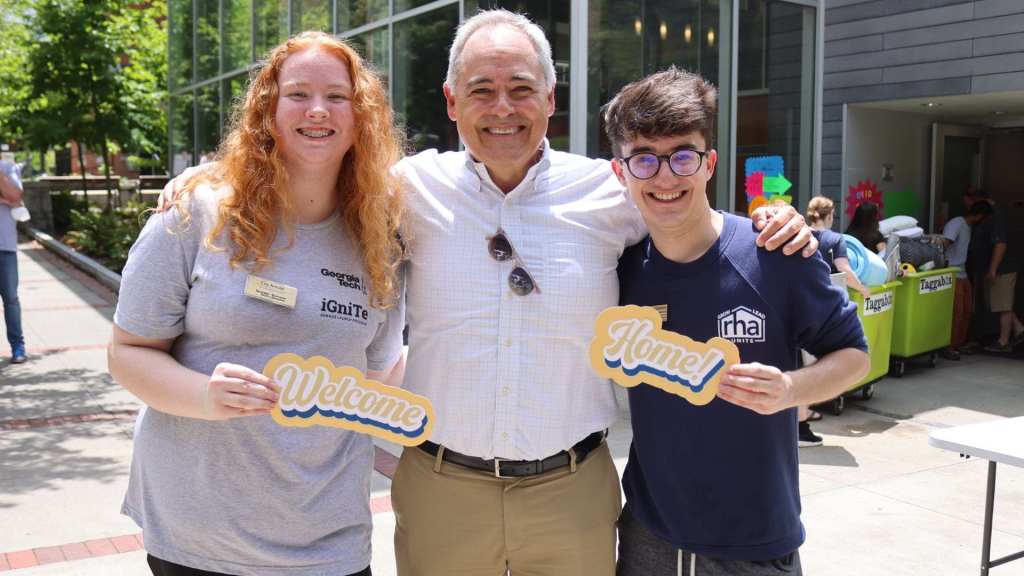
Figure 7: President Cabrera posing with incoming freshmen at a successful RHA event
Conclusion
By following these steps, you will be fully prepared to request and manage RHA funding for your next event at Georgia Tech. Whether you are planning a coding night, a hall social, or a collaborative workshop, this process ensures your ideas receive the financial support they deserve. Start today by visiting the RHA Funding Request Page and begin turning your event ideas into reality!


Leave a Reply