

By Eric Chen and Advait Sepuri
Introduction
Georgia Tech-Europe (GT-Europe), located in Metz, France, is the school’s most celebrated study abroad program. As Georgia Tech’s international campus, it lets students live and learn abroad while staying on track for graduation. Students take GT courses taught by GT faculty, apply existing financial aid, and immerse themselves in a vibrant European community. For many, it’s a rare chance to broaden their education beyond Atlanta and grow personally and professionally. Despite these advantages, navigating GT-Europe can feel daunting. The application process differs between semester and summer terms, housing options may be unclear, and visa requirements can be confusing. Course planning requires careful alignment with degree requirements, and students must also consider budgeting, cultural adjustment, and travel logistics. Information is often scattered across offices, websites, and student anecdotes, leaving many unsure where to start. This guide fills that gap by providing a clear, step-by-step roadmap that covers everything from early planning to guidance during the program, enabling students to confidently pursue Georgia Tech’s most transformative study abroad program.
Table of Contents
- Step 1: Planning Your Semester Abroad
- Step 2: Navigating the Application Process
- Step 3: Costs
- Step 4: After Acceptance — Preparing for Departure
- Step 5: Visa Logistics
- Step 6: Packing Smart
- Step 7: Living in Metz
- Step 8: Traveling and Exploring Europe
Step 1: Planning Your Semester Abroad
The first step to a successful GT-Europe experience is deciding when you want to participate in the program and understanding how that timing fits into your degree plan, as well as how early you need to start planning. You can participate in GT-Europe during any of the three semesters, and the table below outlines when you should begin preparing and the typical application deadlines for each term.
When to Apply By Term
| Term | Typical Application Deadline | When to Start Planning | Notes |
| Fall | April | Early Spring Semester | Moderate weather (early fall is mild, late fall can be chilly). Good option for longer stays and aligning with GT’s fall schedule. |
| Spring | October | Last summer / early fall | Coldest semester — expect winter weather in Metz (often 30–45 °F). Less travel crowds in Europe. Good fit for students finishing a fall internship. |
| Summer | February | Early fall semester (previous year) | Most competitive term — often fills by November, months before the deadline. Shorter semester (~12 weeks). |
Early planning also lets you fit GT-Europe into your course sequence without delaying graduation. Because GT-Europe is considered an official Georgia Tech instructional site, all courses taken there count as in-residence credit, not transfer credit. This means the 36-hour residency rule—which normally requires students to complete 36 of their final 45 credit hours at Georgia Tech—does not prevent you from studying abroad at GT-Europe during your final semesters. Meet with your academic advisor early to map out which courses to take in Metz and ensure they fit neatly into your degree plan. Course schedules for each term can be found on the Georgia Tech-Europe website under the specific semester.
Step 2: Navigating the Application Process
Once you’ve chosen your target semester, the next step is to submit your application through the study abroad portal. The process is fairly straightforward compared to other study abroad programs—there’s no long personal statement or complicated interviews—but it’s important to understand the timeline and requirements.
What the Application Includes
- Academic & Background Info – Credit hours, graduation date, intended subjects, housing status, honors/ROTC, and basic personal details.
- Eligibility Check – Minimum 2.5 GPA for GT students (3.0 for transients) and good academic standing.
- Short Statement – A brief 200–300 word explanation of why GT-Europe fits your academic, personal, and professional goals.
- Passport Details – Enter current passport information or apply early if you need one.
- Preferences & Experience – Indicate interest in group flights, contact sharing, extracurriculars, and any prior international travel.
After you submit, you’ll receive an email confirmation right away. Admissions are rolling, but decisions typically come within a few weeks, sometimes sooner for Summer. If accepted, you’ll receive instructions on housing, course registration, visas, and other pre-departure tasks.
Step 3: Finances and Academic Requirements
Studying at GT-Europe involves paying Georgia Tech tuition and fees just like a regular semester in Atlanta, plus a program charge and the cost of living and traveling abroad. Understanding these expenses early on will help you budget realistically for the semester.
Core Program Costs
- Tuition – You’ll be billed your standard GT tuition through the Bursar based on your residency classification.
- In-state students pay the regular Georgia resident rate (approximately $5,000 per semester).
- Out-of-state and international students are charged non-resident tuition (around $16,000+ per semester).
- Program Deposit & Fees – A $500 program deposit is required after acceptance, along with mandatory GT fees (around $100).
- Program Charge – Each semester includes a GT-Europe program charge that helps support operations in Metz.
Additional Expenses
Beyond tuition and fees, students typically budget for:
- Airfare (round-trip to France)
- Local transportation (Metz bike rental)
- Visa fees (applicable only for Fall or Spring semesters)
- Food and daily living expenses
- Weekend travel across Europe — often the largest variable cost
Step 4: After Acceptance — Preparing for Departure
If you’re accepted, congrats! You’ll begin finalizing housing, course registration, and travel plans. Getting these steps done early will make your transition much smoother. Here is a checklist for things to prepare and start thinking about:
- Watch for the housing form and submit it as soon as it’s released — housing fills quickly.
- Review the semester course list and plan your classes before registration opens.
- Start looking at flights, ideally into Paris (CDG) or Frankfurt (FRA) to use the program shuttle to Metz.
- Gather your passport, insurance, and other travel documents, and begin the visa application process if required.
- Read GT-Europe’s pre-departure materials carefully so you don’t miss key deadlines or requirements.
Step 5: Visa and Travel Logistics
If you’re studying at GT-Europe for Fall or Spring, you’ll need to apply for a long-stay French student visa before departure. The application involves several steps — completing forms on Campus France and France-Visas, paying associated fees, and attending a VFS Global appointment to submit your documents and passport. Your visa will then be issued by the French Embassy and mailed back to you.
GT-Europe provides detailed visa instructions and timelines after acceptance, so you don’t need to navigate the process on your own. You’ll receive a step-by-step guide, including document checklists, links to application portals, and the exact timeline for when each step must be completed. The program also hosts mandatory virtual meetings throughout the spring and summer to explain requirements, review common issues, and answer student questions. Additionally, GT offers an on-campus VFS appointment option, allowing you to complete the in-person step at Georgia Tech without extra fees.
For Summer terms, most U.S. citizens do not need a visa, since stays are under 90 days. However, always check your nationality’s requirements and follow GT-Europe’s guidance closely.
Step 6: Packing Smart
To make packing easier, here’s an infographic checklist of what to bring, what to skip, and a few essentials you shouldn’t forget.
Packing Checklist

Pro Tip: Some students pack a smaller checked bag inside a larger one, giving themselves an extra checked bag for the trip home once they’ve collected souvenirs and new items.
Step 7: Living in Metz
Now that you’ve secured your visa, packed smart, and made the journey, welcome to Metz! Here’s what daily life looks like and how to get around.
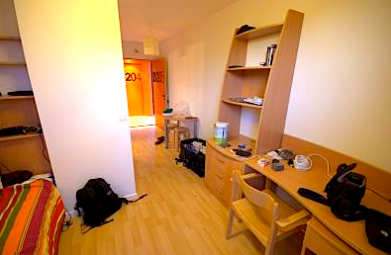

Housing in Metz
- Lafayette is the primary student residence used by GT-Europe students. It’s about a 15-minute walk from campus, making it the most convenient option.
- Residhome is a hotel-style option located in the city center; it’s often offered during Summer terms when student demand is high.
- Graduate students stay at Résidence Édouard Branly. It’s similar to Lafayette.
Getting Around Metz
- LE MET’ Bus System: GT-Europe provides a semester-long bus pass that allows unlimited rides on the city’s public bus/METTIS network. You can find a Georgia Tech approved guide here.
- Bike Rentals: Metz has a public bike rental service (VÉLOMET’). GT-Europe organizes on-campus signups during the first week of term for students who want semester-long bikes.
- Walking: Many students walk to nearby services or classes, especially from Lafayette and other nearby residences. Metz is compact and pedestrian-friendly.


Groceries
- Auchan is located about 15 minutes walking distance away from campus and is a go-to for groceries, toiletries, and everyday essentials.
- Carrefour is a larger supermarket about 25 minutes walking distance away from campus; students sometimes make a weekly trip to stock up there for variety and deals.
Step 8: Traveling and Exploring Europe
The best part about GT-Europe is traveling on the weekends. Metz’s location makes it a major rail hub, giving students access to destinations across France and the rest of Europe within a few hours.
Eurail
GT-Europe provides each student with a Eurail Global Pass for the semester, which allows flexible train travel across 30+ European countries.
- A seat reservation is separate from your pass and required on most high-speed, international, and night trains. Reservations usually cost between €5–€35, depending on the route.
- Regional trains often don’t require reservations.
- Reservations can be made through eurail.com or the Rail Planner app, which works offline and stores your tickets.
Weekend Trips
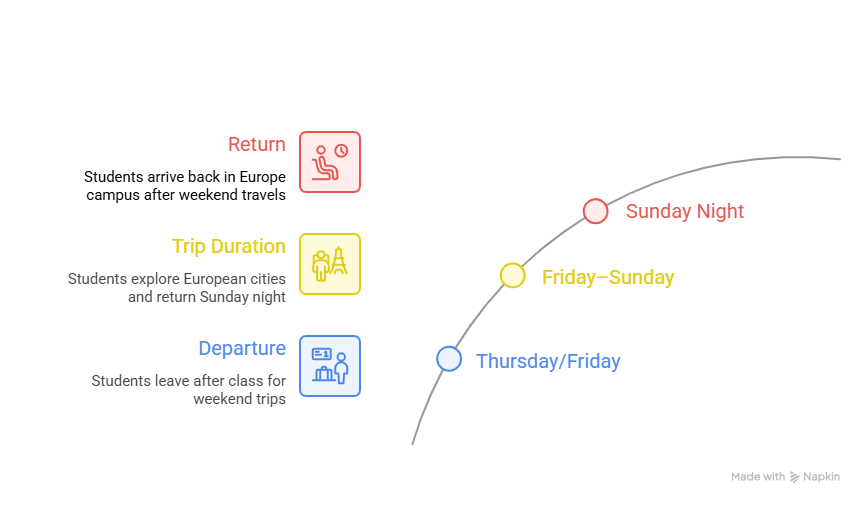
Most students take Friday–Sunday trips, often leaving after class on Thursday or Friday and returning Sunday night. Popular itineraries include:
- France: Paris, Strasbourg, Colmar, Nice
- Germany: Munich, Frankfurt, Berlin
- Benelux: Luxembourg City (1 hr), Brussels, Amsterdam
- Other classics: Switzerland, Italy, Spain via longer trains or budget flights
For longer trips, students sometimes book budget flights (e.g., Ryanair, EasyJet) from Paris or Luxembourg airports. Buses like FlixBus can also be cheap alternatives for last-minute travel.


Leave a Reply