
By: Spencer Kessler and Shaurya Agarwal
Introduction
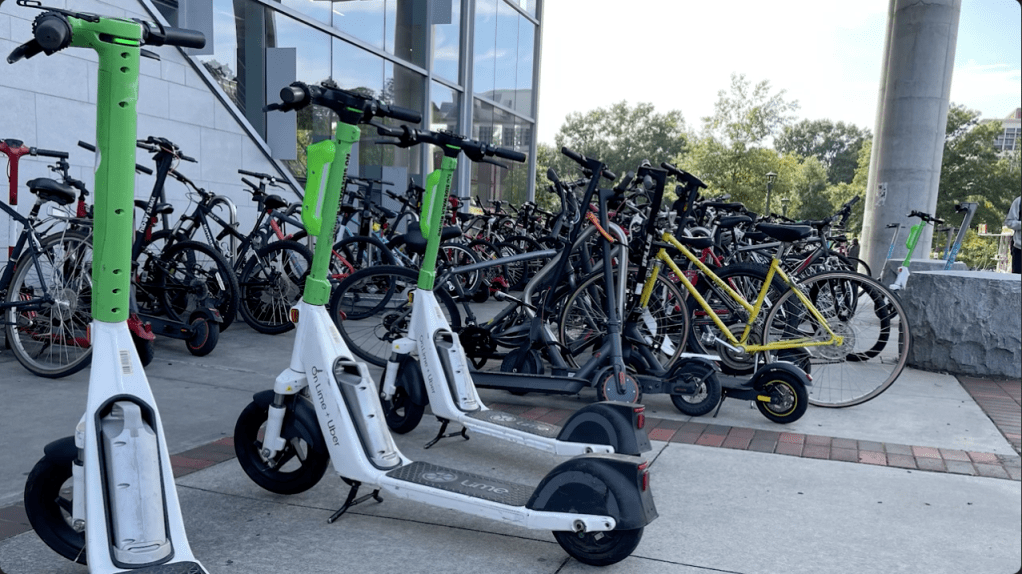
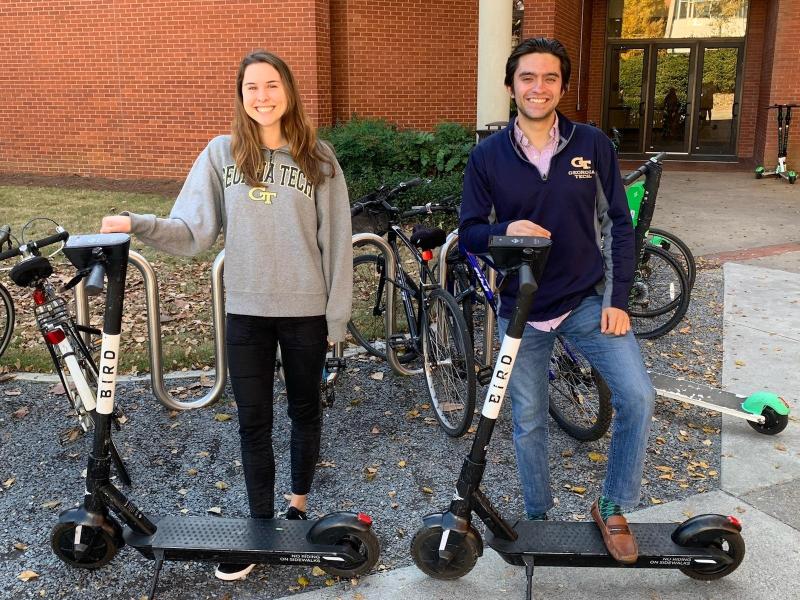
Every Georgia Tech student faces the same challenge: getting to class on time. With busy schedules, campus construction, and long walks between buildings, many students turn to electric scooters as a quick and convenient way to navigate campus. However, scooter-related injuries account for more student accidents than any other form of transportation, according to John M. Stein, Georgia Tech’s Dean of Students.
The freedom and flexibility of micro-mobility come with risks. Crowded pedestrian areas, unclear campus regulations, and unsafe riding habits all contribute to unnecessary injuries. Many students don’t know the proper speed limits, the safest paths, or the best places to park their scooters. This guide is designed to walk you through a typical student’s commute, helping you make smart choices along the way while keeping safety and efficiency in mind.
By following these seven steps, you can get to class quickly, reduce the risk of accidents, and stay in compliance with Georgia Tech’s micro-mobility rules.
- Introduction
- Step-by-Step Guide
- Step 1: Choosing the Right Route for a Safe Commute
- Step 2: Know Georgia Tech’s Scooter Rules Before You Ride
- Step 3: Navigating High-Traffic Areas Safely
- Step 4: Handling Weather and Unexpected Hazards
- Step 5: Parking Your Scooter the Right Way
- Step 6: Optimizing Your Commute for Time and Efficiency
- Step 7: Safety Gear and Emergency Preparedness
- Conclusion: Ride Smart, Stay Safe
Step-by-Step Guide
Step 1: Choosing the Right Route for a Safe Commute
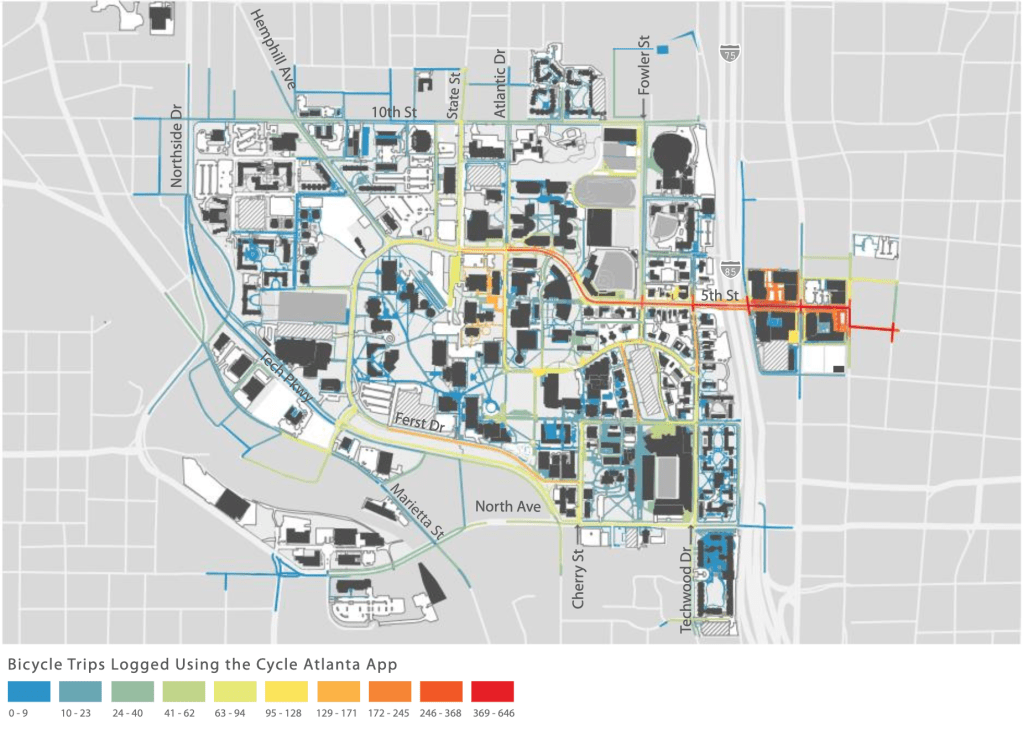
Not all paths on campus are scooter-friendly. Some areas, like Tech Green and Skiles Walkway (the stairway between the CULC and Skiles Buildings), are highly congested pedestrian zones where riding is discouraged. On the other hand, streets like Ferst Drive and Tech Parkway have designated lanes that allow for safer scooter travel.
Pro Tips:
1. Use the GT Campus Map or Google Maps in bike mode to find the fastest, safest routes.
2. If you’re traveling near Tech Green, slow down and be alert when foot traffic is heavy.
Step 2: Know Georgia Tech’s Scooter Rules Before You Ride
Many students unknowingly break scooter regulations, putting themselves at risk for fines or accidents. Here are the key rules to keep in mind:
- Speed Limit: The maximum allowed speed for scooters on campus is 15 mph. Reduce speed in congested areas.
- Dismount Zones: Some areas like Tech Walkway require scooters to be walked, not ridden.
- Traffic Laws Apply: Scooters must yield to pedestrians and obey all stop signs and signals.
- Check Updates: GT periodically updates its micromobility rules, so check for any changes on campus transportation websites.

Step 3: Navigating High-Traffic Areas Safely
Morning and afternoon class transitions create bottlenecks near Clough, the Student Center, and Tech Square. During these times, avoid weaving between pedestrians and use slower, controlled movements.
Best Practices for Heavy Traffic:
- Reduce speed to walking pace in busy areas.
- Avoid sharp turns or sudden stops, which can cause collisions.
- Move cautiously around blind corners.
- Be predictable and ride in a straight path, signaling with your hand if stopping or turning.
Step 4: Handling Weather and Unexpected Hazards
Georgia Tech’s campus is unpredictable. Between frequent rain, sudden construction, and uneven sidewalks, scooter riders must stay alert to changing conditions.
Construction Zone Awareness:
- Watch for barriers and sudden detours near major renovation areas like Tech Square.
- Look for alternative routes ahead of time to avoid last-minute adjustments.
- Reduce speed and ride cautiously when navigating uneven pavement.
- Check Georgia Tech’s construction updates to know which paths are blocked.
Wet Weather Riding Tips:
- Slow down and increase stopping distance to prevent skidding.
- Avoid the green painted road markings and metal surfaces like sewer grates, which become extra slippery.
- Use a rain jacket instead of holding an umbrella while riding, as both hands should stay on the handlebars.

Step 5: Parking Your Scooter the Right Way
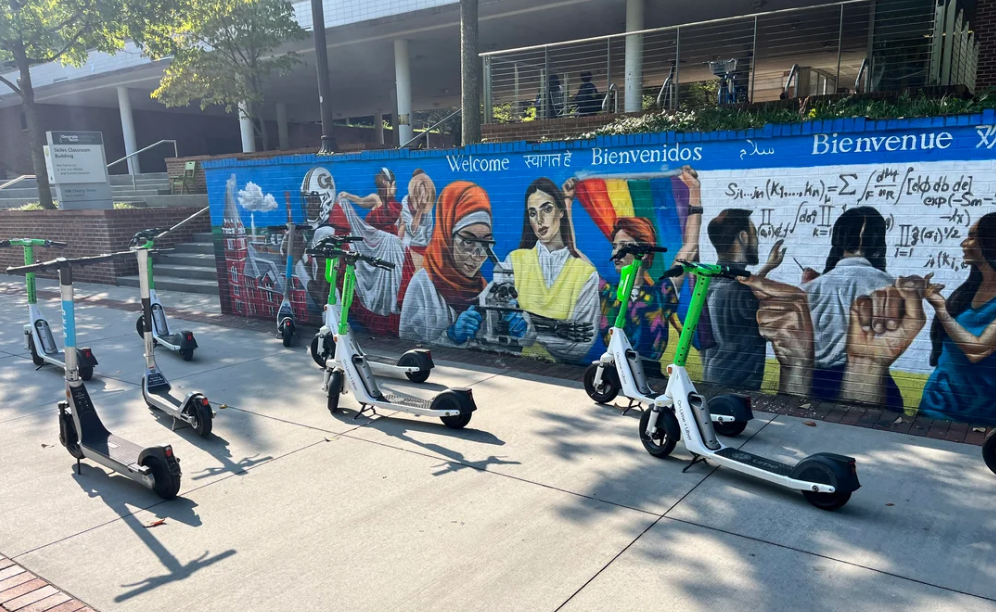
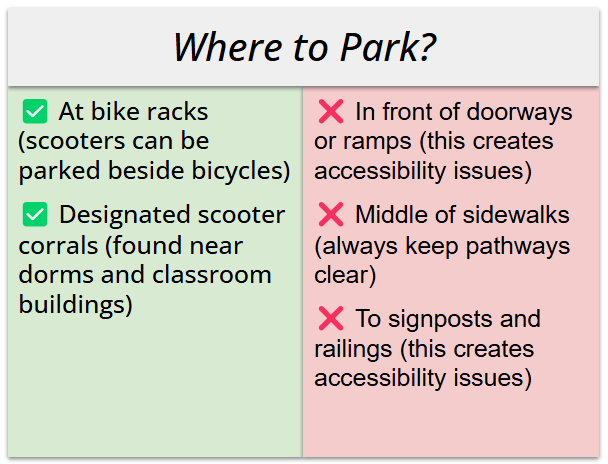
One of the biggest complaints about scooters on campus is improper parking. Blocking sidewalks or doorways creates hazards for other students. Georgia Tech has designated scooter parking zones, and failing to use them can result in a fine.
Step 6: Optimizing Your Commute for Time and Efficiency
Want to shave a few minutes off your commute? Timing is everything. Many students assume they need to ride full speed to class, but smart planning can prove to be more effective than rushing.
Tips to Optimize Your Route:
- Avoid peak times (10 minutes prior to each class block, busiest between 12-3:30pm).
- Use side streets instead of main walkways to bypass crowded areas.
- Plan extra time for detours due to construction or weather.
Fun Fact:
“Taking the right route at the right time can save up to 4 minutes per trip compared to riding through congested areas.”
Step 7: Safety Gear and Emergency Preparedness
Essential Safety Gear:
- Helmet: Reduces head injury risk by 70%.
- If purchasing your own helmet, opt for one with MIPs.
- The GTPD provides free helmets to all who complete their smart safety class.
- Reflective gear: Essential for nighttime rides.
- Lights: Required by law for riding after dark.
Emergency Action Plan:
- GT Emergency Number: 404-894-2500
- GTPD Location: 965 Hemphill Ave NW
- Nearest Medical Center: Stamps Health Services
- Call 911 at the sight of any life threatening injuries
Conclusion: Ride Smart, Stay Safe
Scooters are one of the fastest ways to get around Georgia Tech, but safe riding is key. By choosing the right route, following campus rules, and using proper safety gear, you can enjoy the convenience of micromobility without unnecessary risks.
What’s next?
- Review the campus safety infographics in this guide.
- Plan your route before heading to class.
- Ride smart, respect fellow students, and enjoy a safer commute.


Leave a Reply